SPATIAL MEASUREMENT AND ANALYSIS

(Space Lab)

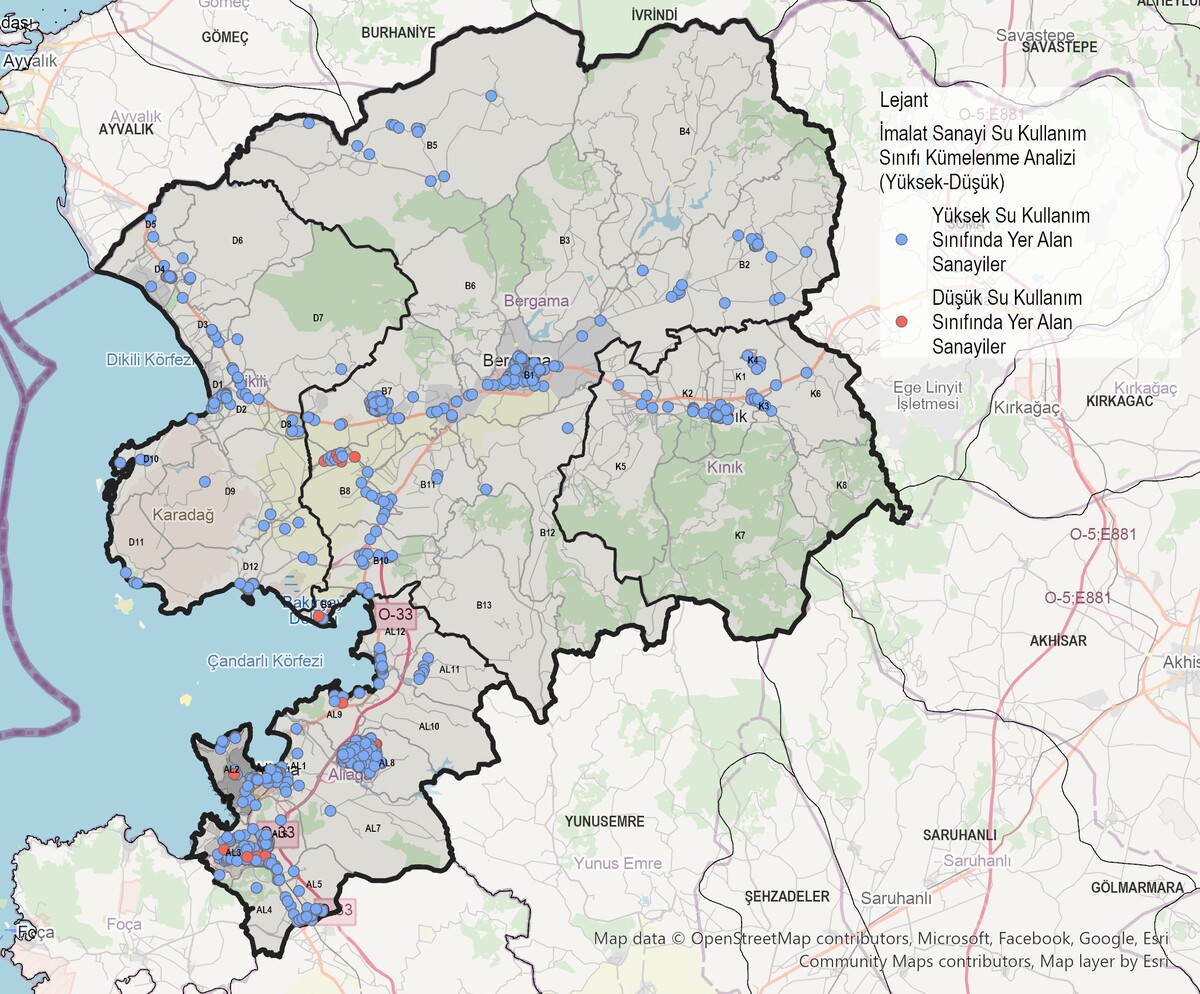
StraSpace makes the complex dynamics of cities, regions, and environmental systems visible through AI-supported spatial analytics, GIS-based data production, and multi-scale modeling techniques. Going beyond standard datasets, StraSpace develops original methodologies and analytical approaches for hard-to-obtain or previously underutilized data sources, transforming these data into indicators that support evidence-based decision-making.


StraSpace produces spatial and statistical analyses, forecasting models, simulations, and big data solutions across critical domains such as population dynamics, land use, transport, sustainability, climate risks, and socio-economic structures.
AI-Supported Planning Processes

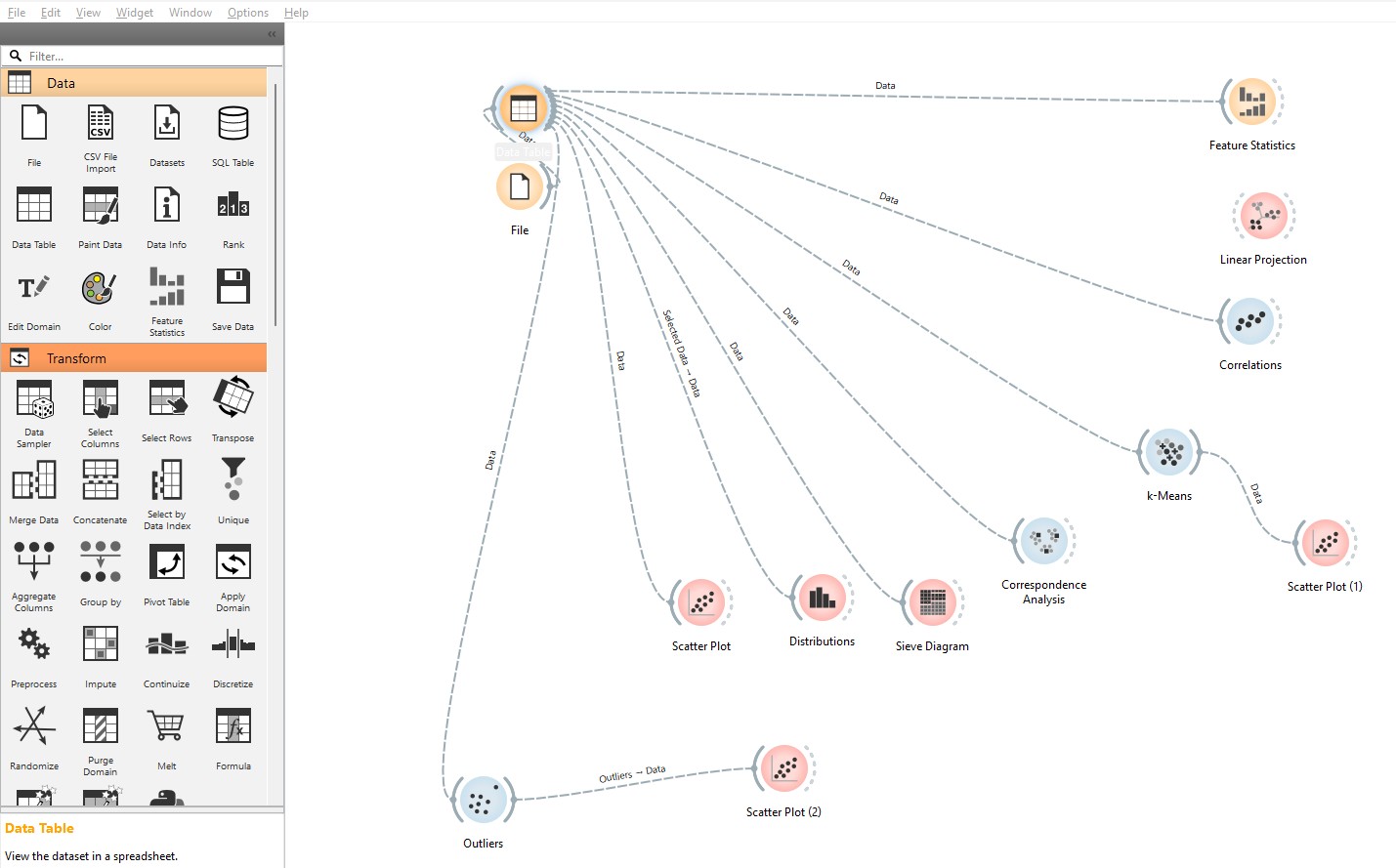
StraSpace, yapay zekâ, makine öğrenmesi ve ileri veri analitiğini planlama süreçlerine entegre ederek mekânsal karar alma süreçlerini güçlendirir. Nüfus, arazi kullanımı, erişilebilirlik ve mekânsal etkileşimler; arazi kullanımı–ulaşım etkileşim (LUTI) yaklaşımları, aktör tabanlı simülasyonlar (Agent-Based Modeling), veri güdümlü tahmin ve senaryo üretim modelleri gibi güncel yöntemler üzerinden analiz edilir.


Bu çerçevede, çok kriterli mekânsal karar verme ve optimizasyon analizleri; ulaşım, enerji ve çevresel sistemler için geliştirilen dinamik simülasyonlar ve büyük verinin mekânsal entegrasyonu ile desteklenir. Yapay zekâ destekli modeller, karmaşık sistem davranışlarını ve politika seçeneklerinin olası etkilerini eş zamanlı olarak değerlendirmeye olanak tanır.

Geographic Information Systems and Spatial Analyses

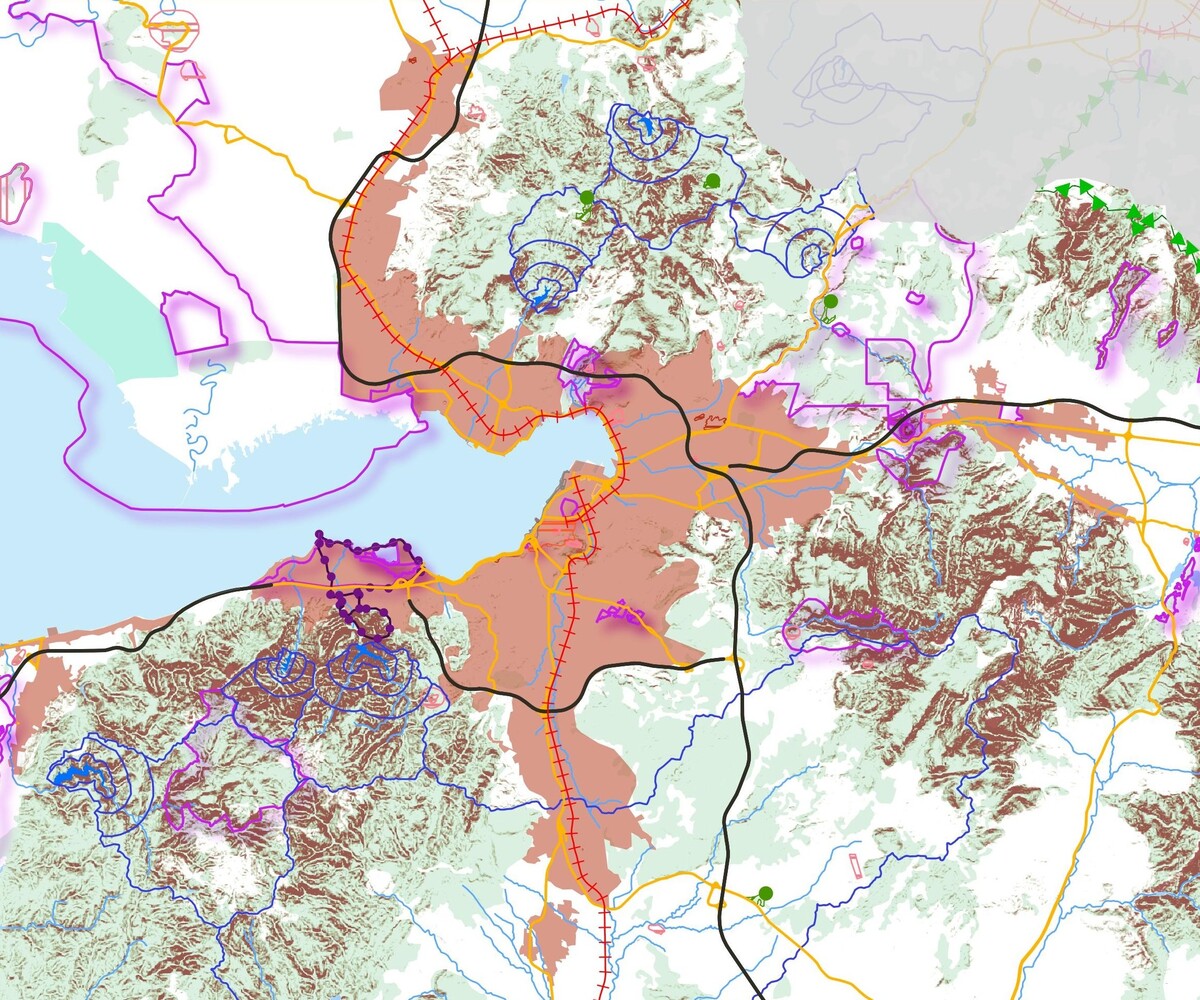
StraSpace links data obtained from multiple sources with spatial references, transforming them into map-based, comparable, and analytically robust datasets. Spatialization of data enables trends, relationships, and risks to be interpreted not only numerically but also through spatial patterns, allowing for more accurate and targeted decision-making in planning and management processes.


Through this approach, StraSpace places GIS-based spatial analyses at the core of planning and management workflows. In addition to spatial data production, mapping, and database design, StraSpace conducts accessibility, density, and spatial statistical analyses.

Urban Challenges and Socio-Economic Research

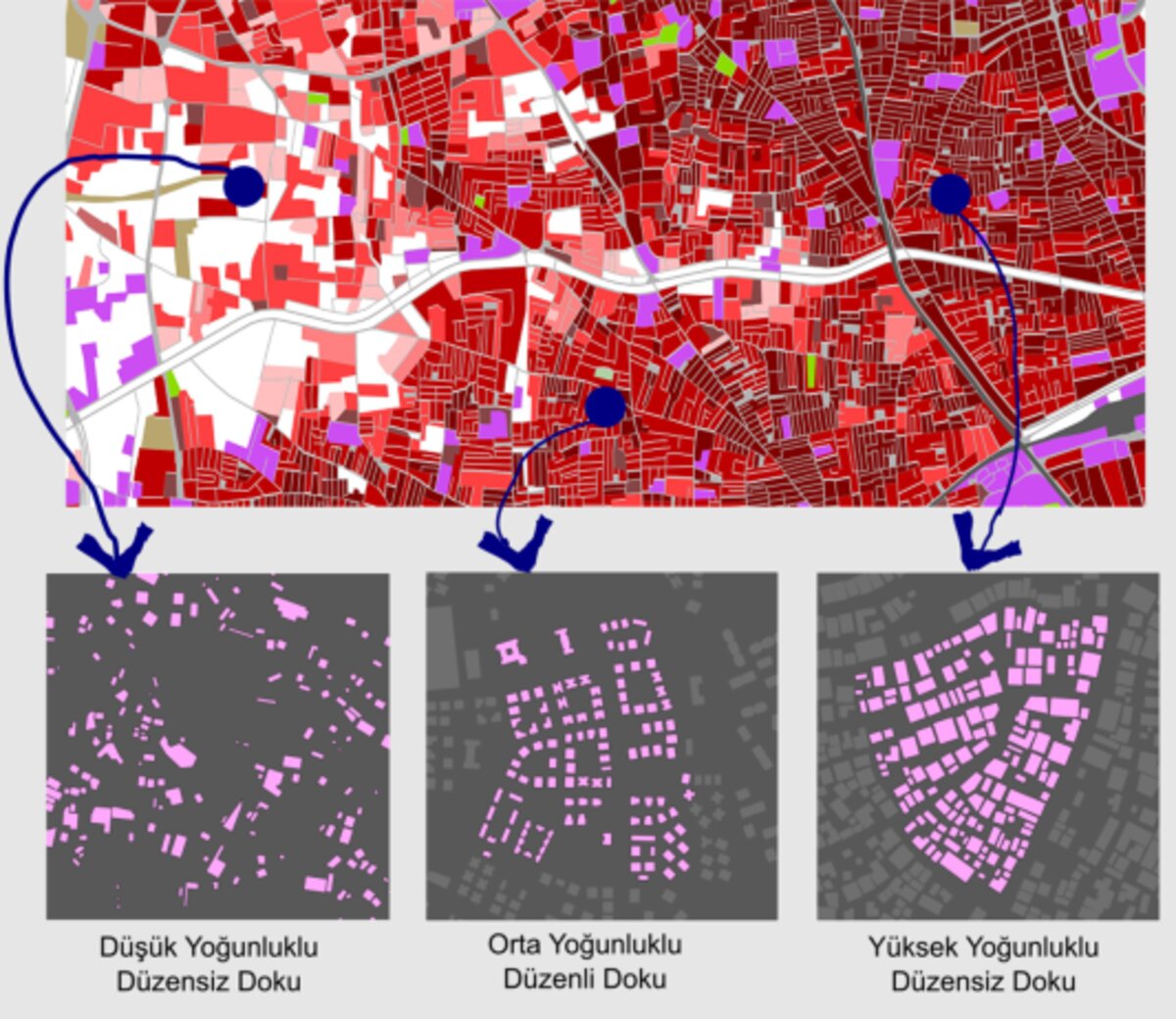
StraSpace conducts multi-dimensional analyses of urban growth dynamics, spatial inequalities, and socio-economic structures. Socio-economic baseline analyses and vulnerability maps are supported by population dynamics, household structures, and demographic modeling. Urban deprivation, housing challenges, and inequalities are assessed alongside analyses of urban sprawl, density, and spatial fragmentation.
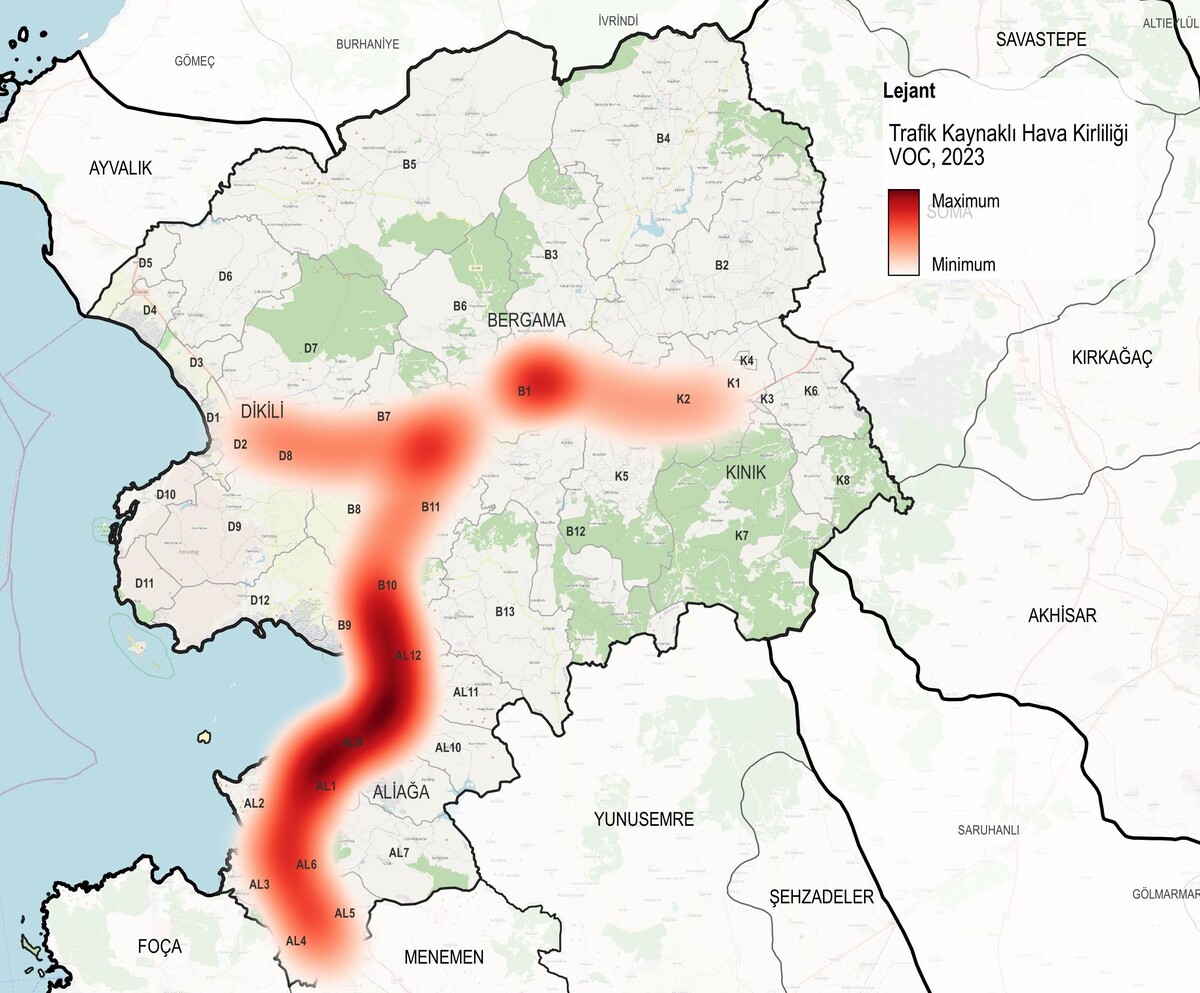

Within this framework, employment structures, economic activities, and the spatial distribution of industrial and service sectors are analysed. Trends in economic specialization and transformation are evaluated across sub-sectors such as manufacturing, logistics, trade, tourism, creative industries, and knowledge-intensive services. The resulting findings support the spatial prioritization of social needs and are translated into data-driven urban policy and development recommendations for different cities and countries.

Inter-Settlement Relations and Rural–Urban Analysis

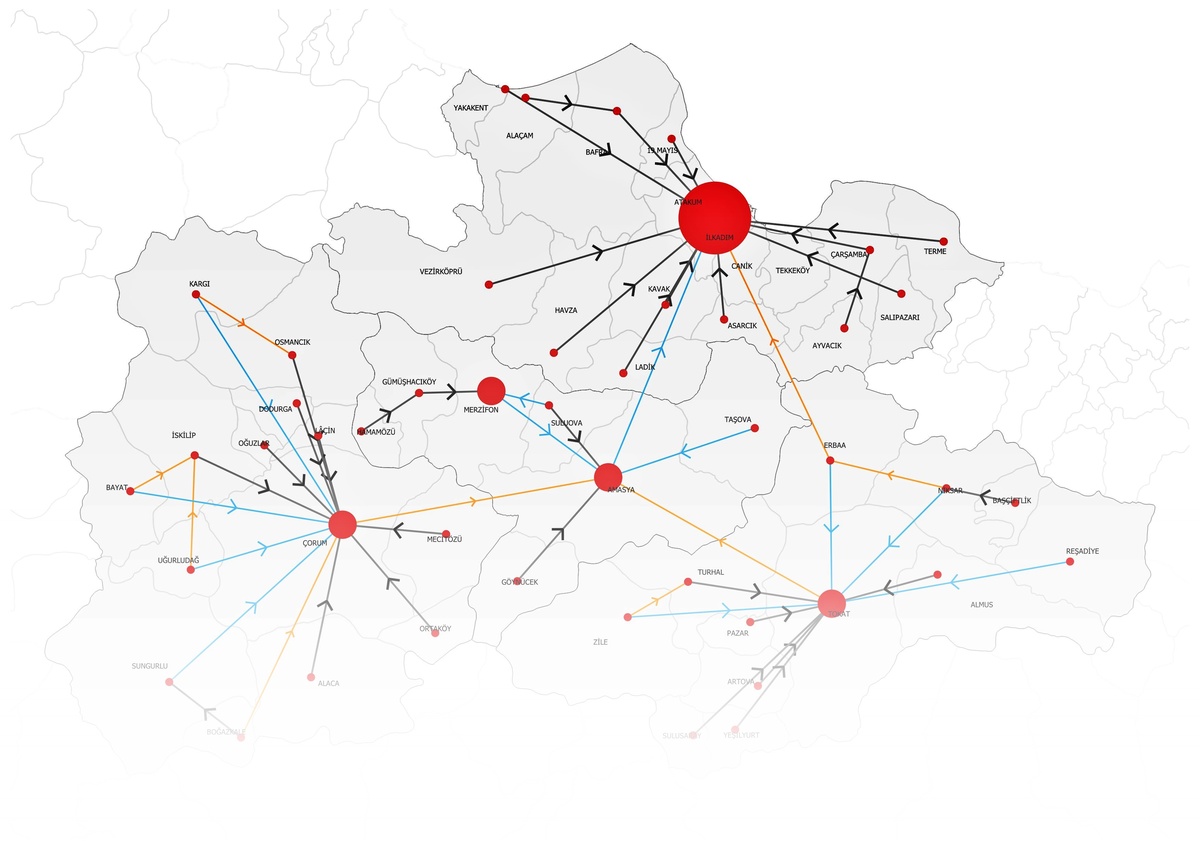
StraSpace analyses settlement hierarchies and rural–urban interactions at provincial, district, town, and village scales by integrating contemporary network-based and functional region approaches, developing balanced and integrated spatial strategies. Inter-settlement relationships are assessed not only through administrative hierarchies but also through flows, accessibility, and mutual dependencies.


The distribution of service centers—such as education, healthcare, commerce, and administration—is analysed within the framework of core–periphery relations, service catchment areas, and functional influence zones. These structures are examined by considering multi-directional connections and network relationships between settlements.


Rural–urban interactions are analysed through population movements, daily life practices, labour mobility, food systems, and commercial flows. These analyses reveal complementary settlement roles and levels of regional integration, supporting polycentric and resilient spatial organization models.

Multimodal Transport and Mobility

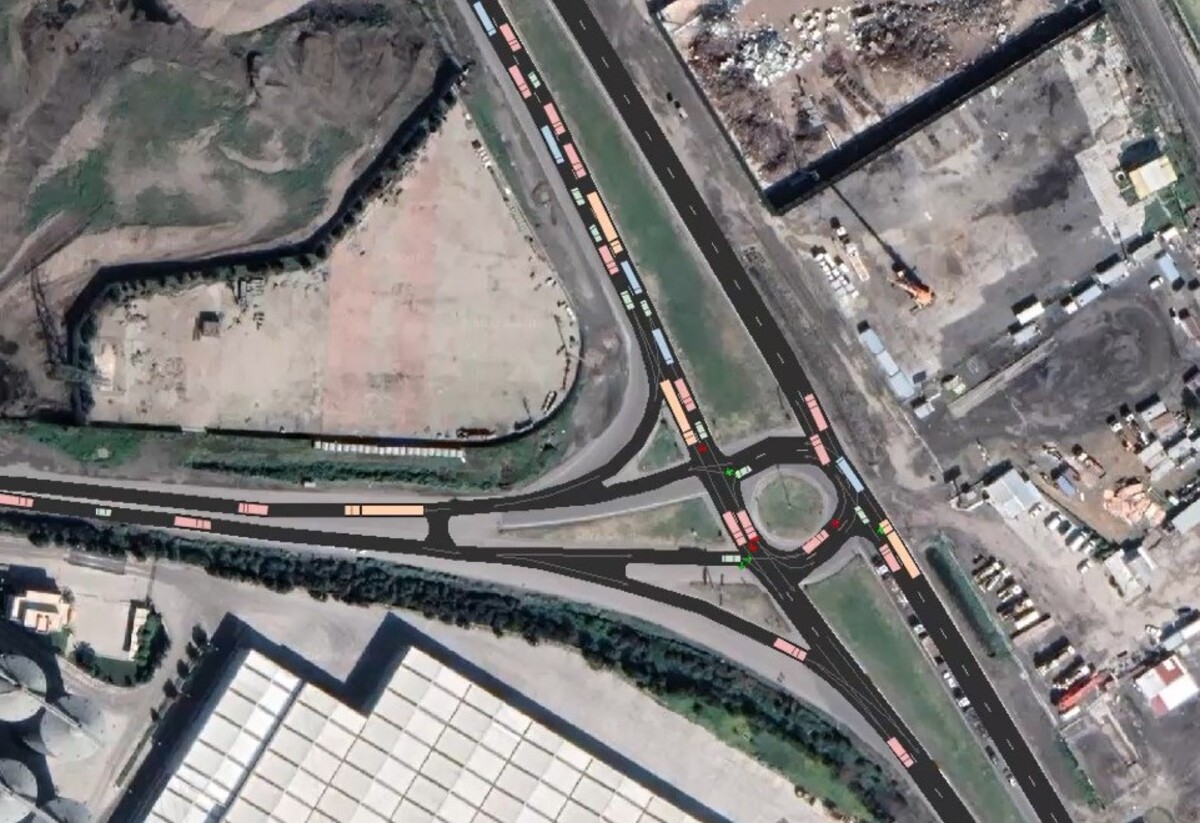
At the urban scale, StraSpace conducts multimodal mobility analyses adopting an integrated approach that encompasses pedestrian movement, cycling, micromobility, public transport, road traffic, and urban logistics systems. Last-mile distribution, service and commercial vehicle movements, and freight–passenger interactions are evaluated within the urban mobility framework. At the regional scale, road transport, public transport, rail systems, and—where relevant—maritime transport are analysed together with freight transport and regional logistics networks.


Anonymized mobility and freight data obtained from navigation systems, mobile operators, and digital platforms are analysed using big data processing, artificial intelligence, sensor technologies, and network modeling techniques. This enables the identification of passenger and freight movement patterns, connectivity structures, and accessibility relationships.


Transport demand, flow patterns, capacity, accessibility, and travel behaviour are evaluated in an integrated manner covering both passenger and freight transport. Origin–destination matrices, demand forecasting models, and speed–density–flow relationships are used to analyse pedestrian, cycling, and urban logistics patterns at the city scale, as well as freight corridors, logistics hubs, and intermodal interactions at the regional scale.

Sustainability, Climate, and Resilience

StraSpace supports sustainability-oriented decision-making by spatially analysing environmental performance, carbon footprints, water balances, and land cover changes. Air pollution and emissions originating from wastewater, industry, heating, and transport are modelled, and the sustainability of surface and groundwater resources is assessed. Ecosystem pressures are comprehensively identified by monitoring degradation in natural and semi-natural areas alongside the transformation of built-up environments.


Climate change–induced risks—such as floods, flash floods, droughts, urban heat islands, and wildfires—are spatially analysed. Hazard and vulnerability maps, urban heat island models, cooling strategies, and multi-hazard scenarios are assessed together to support climate adaptation and resilience planning.

Carrying Capacity (Spatial Pressure and Threshold Analysis)

StraSpace analyses, through spatial data, the extent to which a city or region can sustainably accommodate future development, population growth, economic activities, and transport demand. Development pressure is assessed by comparing existing and planned densities against environmental thresholds, infrastructure capacities, and spatial constraints.


The compatibility of investments with transport, service, and infrastructure capacities is evaluated. Industrial and production pressures, logistics loads, and the impacts of master plan decisions on ecosystem and infrastructure limits are jointly assessed to support balanced and sustainable spatial development strategies.

SERVICES

SPATIAL STRATEGY, DEVELOPMENT AND URBAN SYSTEMS
StraSpace delivers evidence-based spatial solutions at all scales for regional development, urban growth, disaster risk reduction, and mobility planning.
Through advanced spatial analyses, comprehensive datasets, and interdisciplinary expertise, StraSpace develops implementable visions, scenarios, and spatial decisions tailored to each region and city.
IMPACT ASSESSMENT AND MANAGEMENT
StraSpace provides impact assessment and management services across a wide spectrum, ranging from social impact assessment to social baseline studies, and from cultural heritage impacts to strategic impact analyses. All studies are conducted in accordance with international standards.
RESETTLEMENT

StraSpace addresses land acquisition and resettlement processes in full compliance with the policy and performance requirements of international financial institutions, developing fair, implementable, and sustainable resettlement solutions that minimize the social impacts of projects. All studies are carried out in accordance with international standards.
SPATIAL MEASUREMENT AND ANALYSIS
StraSpace makes the complex dynamics of cities, regions, and environmental systems visible through AI-supported spatial analytics, GIS-based data production, and multi-scale modeling techniques. Going beyond standard datasets, StraSpace develops original methodologies and advanced analytical approaches.
FIELD RESEARCH AND SOCIAL ANALYSIS
StraSpace combines qualitative and quantitative field research with advanced social analytics and spatial methods to deliver in-depth analyses of community needs, behavioral patterns, and social risks.
This approach provides a robust, data-driven analytical foundation with a high level of representativeness.

CONTACT

Address

Konutkent Mahallesi 3035. Cadde
No:74 Suit Tower B Blok No:80
Çankaya/ ANKARA TÜRKİYE

Phone

+90 312 939 40 78

E-mail

info@straspace.com

Copyright © 2026 StraSpace