FIELD RESEARCH AND SOCIAL ANALYSIS
(Social Lab)
StraSpace combines qualitative and quantitative field research with advanced social analytics and spatial methods to deliver in-depth analyses of community needs, behavioral patterns, and social risks.
These data-driven insights provide a robust analytical foundation with a high level of representativeness, supporting social impact assessment, planning, policy development, and monitoring and evaluation processes.
Field Research and Data Collection
StraSpace conducts comprehensive qualitative and quantitative field research to accurately and holistically understand communities, stakeholders, and local dynamics within project areas. Through surveys, community-level assessments, in-depth interviews, focus group discussions, and stakeholder consultations, perceptions, needs, behavioral patterns, vulnerabilities, and risks are systematically identified. StraSpace manages the entire process—from fieldwork design and implementation to data quality control—within an integrated framework.
The collected data are structured across key themes such as demographics, migration, livelihoods, access to services, social perceptions, and other project-specific topics. This evidence base provides a solid analytical foundation for social impact assessment, strategic planning, policy development, monitoring and evaluation, and a wide range of related studies.
Social Data Analytics, Modeling, and Visualization
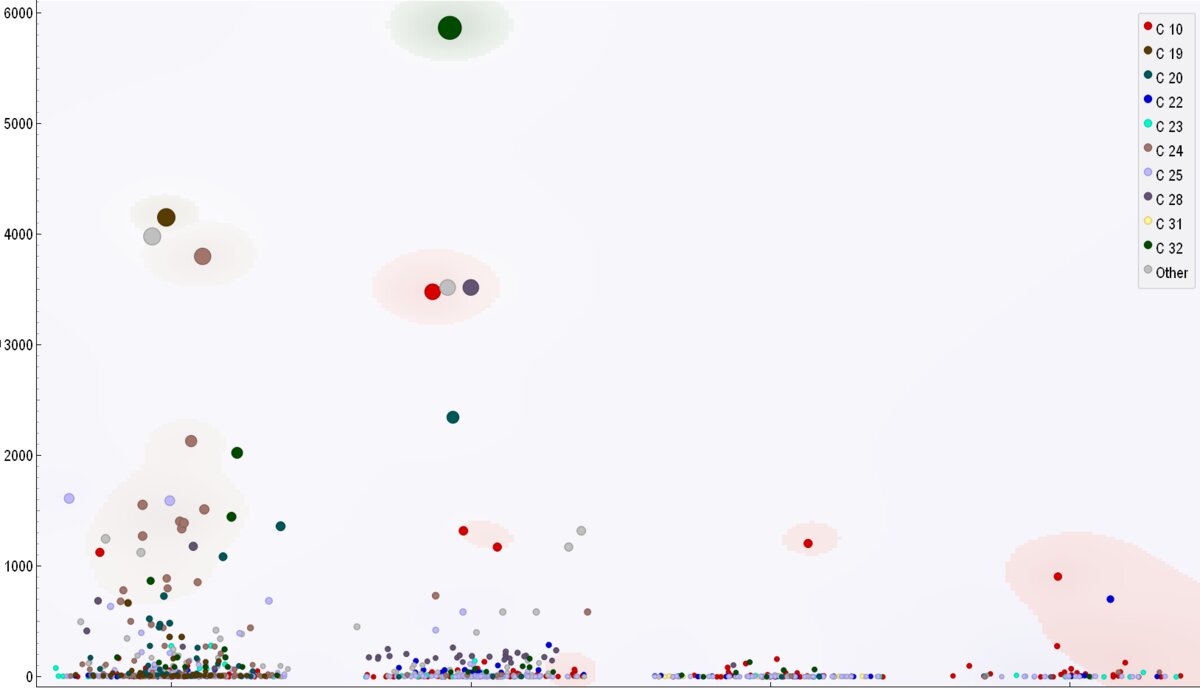
StraSpace processes field-based data through an integrated analytical framework combining advanced statistical methods, econometric models, machine learning techniques, and GIS-based spatial analyses. This approach makes social, economic, and spatial patterns visible across multiple scales.
Key analytical approaches include:
• Descriptive and inferential statistics, including reliability analyses
• Regression models (OLS, logit–probit, panel data)
• Time-series analyses (trend, seasonality, structural breaks)
• Clustering and segmentation techniques
• Decision trees, classification, and predictive models
• Text mining (sentiment analysis, topic modeling)
These analyses transform complex datasets into clear, actionable insights, enabling decision-makers to rapidly identify risks, trends, and priorities. As a result, strategies are grounded in robust, evidence-based analysis rather than intuition.
Social Network Analysis and Stakeholder Mapping
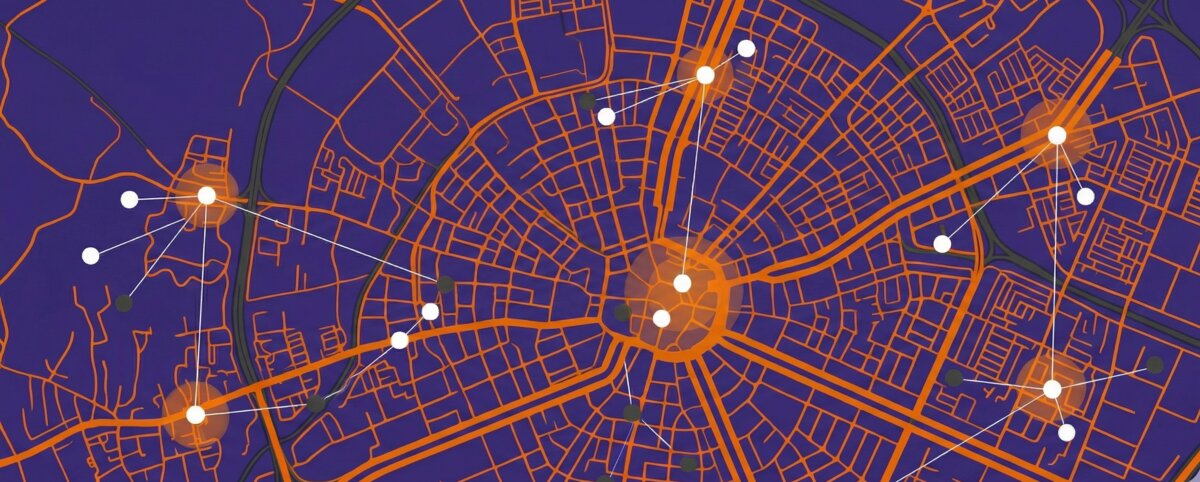
StraSpace applies social network analysis to visualize relationships among stakeholders, community groups, and institutional actors. By analysing central actors, interaction intensities, community structures, and information flows, StraSpace develops strategic stakeholder maps.
These analyses allow decision-makers to clearly understand power relations, collaboration potentials, and potential points of tension in the field, supporting the development of more targeted, realistic, and effective engagement and intervention strategies.
Spatial Social Analysis and Mapping
StraSpace integrates social data with GIS-based spatial analyses to produce maps illustrating vulnerability hotspots, access to services, population movements, and the spatial distribution of social risks. Within this framework, spatial social indicators are developed to support social planning and decision-making processes.
This approach clearly reveals where social needs are concentrated, which areas require priority interventions, and how spatial inequalities are structured—enabling the design of more accurate, targeted, and evidence-based solutions.
SERVICES
CONTACT