IMPACT ASSESSMENT AND MANAGEMENT
(Impact Lab)
StraSpace provides impact assessment and management services across a broad spectrum, ranging from social impact assessment and social baseline studies to cultural heritage impact assessments and strategic impact analyses.
StraSpace adopts a holistic approach by assessing the social impacts of projects in full alignment with international financial institutions and global policy frameworks, and by supporting the identification and management of social risks through field research, stakeholder engagement, and social management plans.
Social Impact Assessment
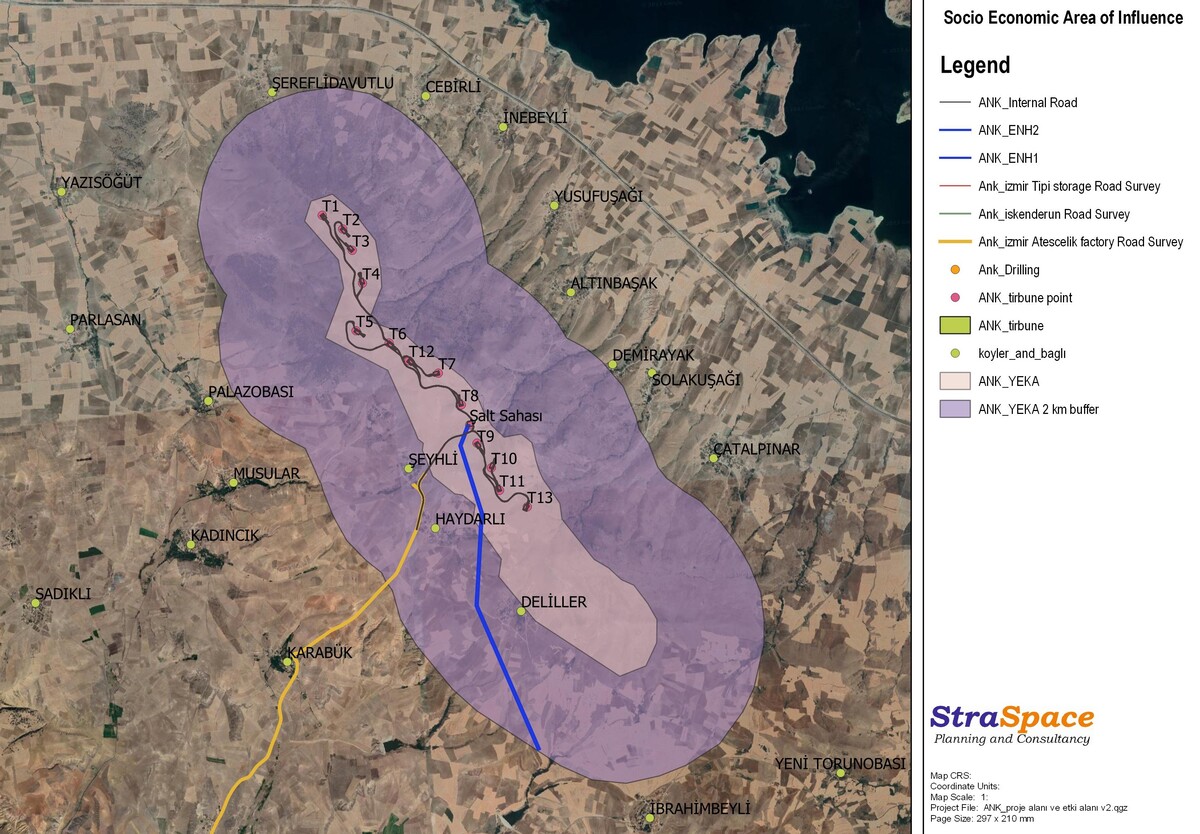
As part of the Environmental and Social Impact Assessment (ESIA) process, StraSpace conducts comprehensive analyses of the social structure within a project’s area of influence. Through desk-based studies and detailed field research, a robust social baseline is established, and social risks and impacts are assessed in accordance with international standards. Based on these analyses, project-specific mitigation and enhancement measures are developed.
Within the Social Impact Assessment process, StraSpace prepares a Social Action Plan (SAP)—defining actions, responsibilities, timelines, and indicators—as well as a Social Management Plan (SMP) to ensure social performance throughout the project lifecycle. Where required, subsidiary management plans are developed, and capacity-building support and training are provided to relevant project teams.
Key subsidiary plans prepared by StraSpace include:
• Resettlement Action Plan (RAP)
• Livelihood Restoration Plan (LRP)
• Traffic Management Plan (TMP)
• Community Development Plan (CDP)
• Community Health and Safety Management Plan (CHSMP)
• Labour Influx Management Plan (LIMP)
Monitoring frameworks aligned with international standards are designed, and periodic reporting ensures that social impacts are effectively managed and kept under control throughout implementation.
Strategic Environmental Assessment (SEA)
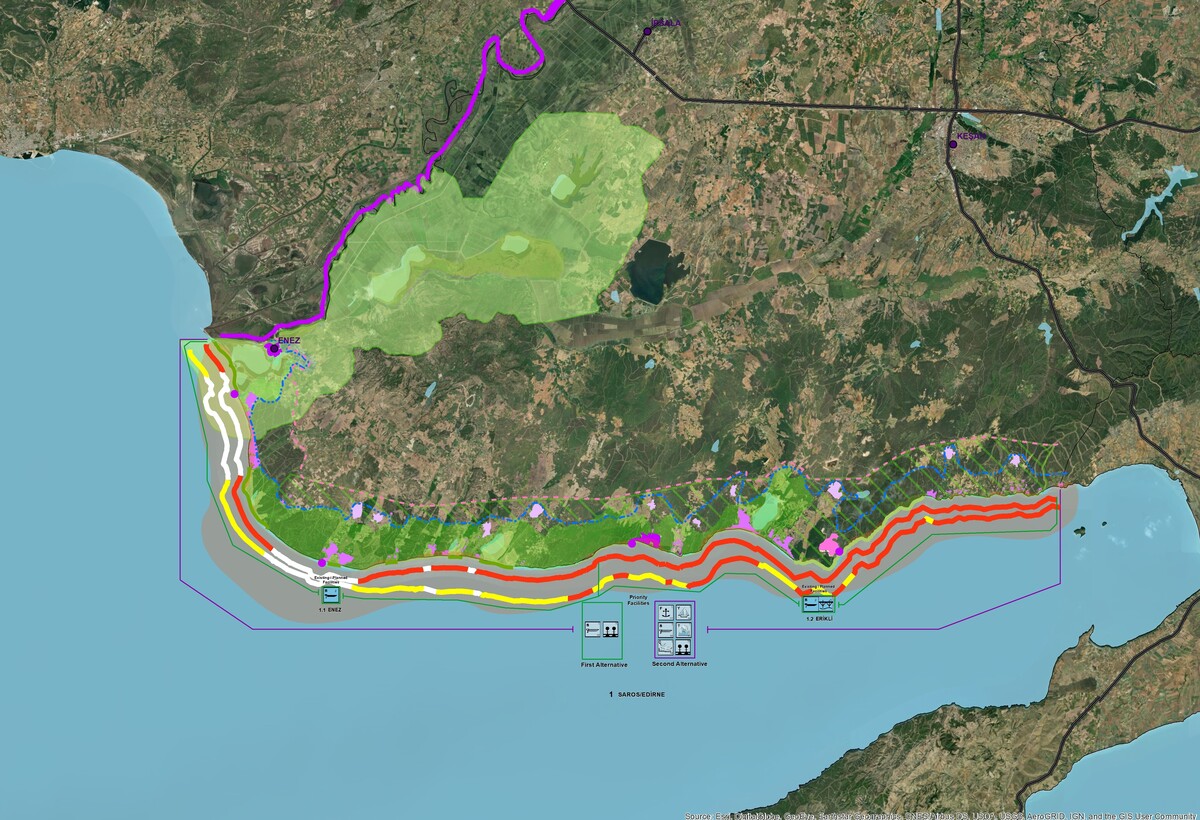
Strategic Environmental Assessment is a higher-level analytical process that evaluates the environmental, social, economic, and spatial impacts of plans, programs, and policies at the decision-making stage. StraSpace conducts SEA studies in compliance with national legislation as well as international protocols (UNECE) and directives (EU).
Within this scope, assessments cover ecosystem and natural resource carrying capacity, environmental and spatial pressures, climate risks and adaptation strategies, energy supply–demand balances, renewable energy potential, and carbon emission scenarios.
Through this holistic analytical approach, StraSpace provides decision-makers with robust, data-driven, and sustainability-oriented strategic guidance.
Cultural Heritage Impact Assessment (CHIA)
StraSpace assesses how projects may affect World Heritage Sites and nationally protected cultural heritage assets in line with UNESCO and ICOMOS guidelines. The process examines attributes of authenticity, integrity, and Outstanding Universal Value, while cultural, historical, archaeological, and landscape components are analysed by specialized experts.
The visual, spatial, and functional impacts of proposed interventions are evaluated, and alternatives and conservation-oriented recommendations are developed to minimize risks.
StraSpace delivers CHIA reports in internationally recognized formats, providing decision-makers with reliable and implementation-oriented guidance.
Stakeholder Engagement Plan (SEP)
StraSpace prepares and implements Stakeholder Engagement Plans in line with international standards to ensure transparent and systematic project communication. Stakeholders are identified and mapped, their levels of influence and interest are analysed, and tailored engagement strategies are developed.
Consultations are conducted with communities and institutions to identify needs and risks at an early stage. In addition, traceable grievance mechanisms are established, and all communication records are systematically monitored and reported.
Social Due Diligence
StraSpace conducts comprehensive social due diligence studies to assess project compliance with national legislation and international standards. Project documentation, institutional procedures, and on-site practices are reviewed to identify current social performance levels, capacity gaps, and risk areas. Technical analyses systematically identify areas of non-compliance with social requirements.
Based on these findings, StraSpace develops practical gap-closing action plans and implementation roadmaps.
Social Management, Monitoring, and Evaluation
StraSpace ensures that project social performance is implemented in accordance with international standards throughout the project lifecycle. The implementation of Social Management Plans is monitored through regular site audits and compliance checks to assess adherence to social requirements.
Performance indicators are tracked and analysed, and corrective or improvement measures are developed where necessary. Social compliance reports are prepared for lenders, and monitoring and evaluation frameworks are established to ensure transparent and accountable project implementation.
Social Responsibility Program Development
StraSpace designs strategic Corporate Social Responsibility (CSR) programs to enhance institutional social performance and social impact. Sustainability objectives, stakeholder expectations, and community needs are analysed to develop effective and measurable CSR strategies.
Methodological support is provided throughout program design, implementation, and monitoring, and dedicated monitoring and evaluation frameworks are developed to ensure that outcomes are measurable and assessable.
Capacity Building
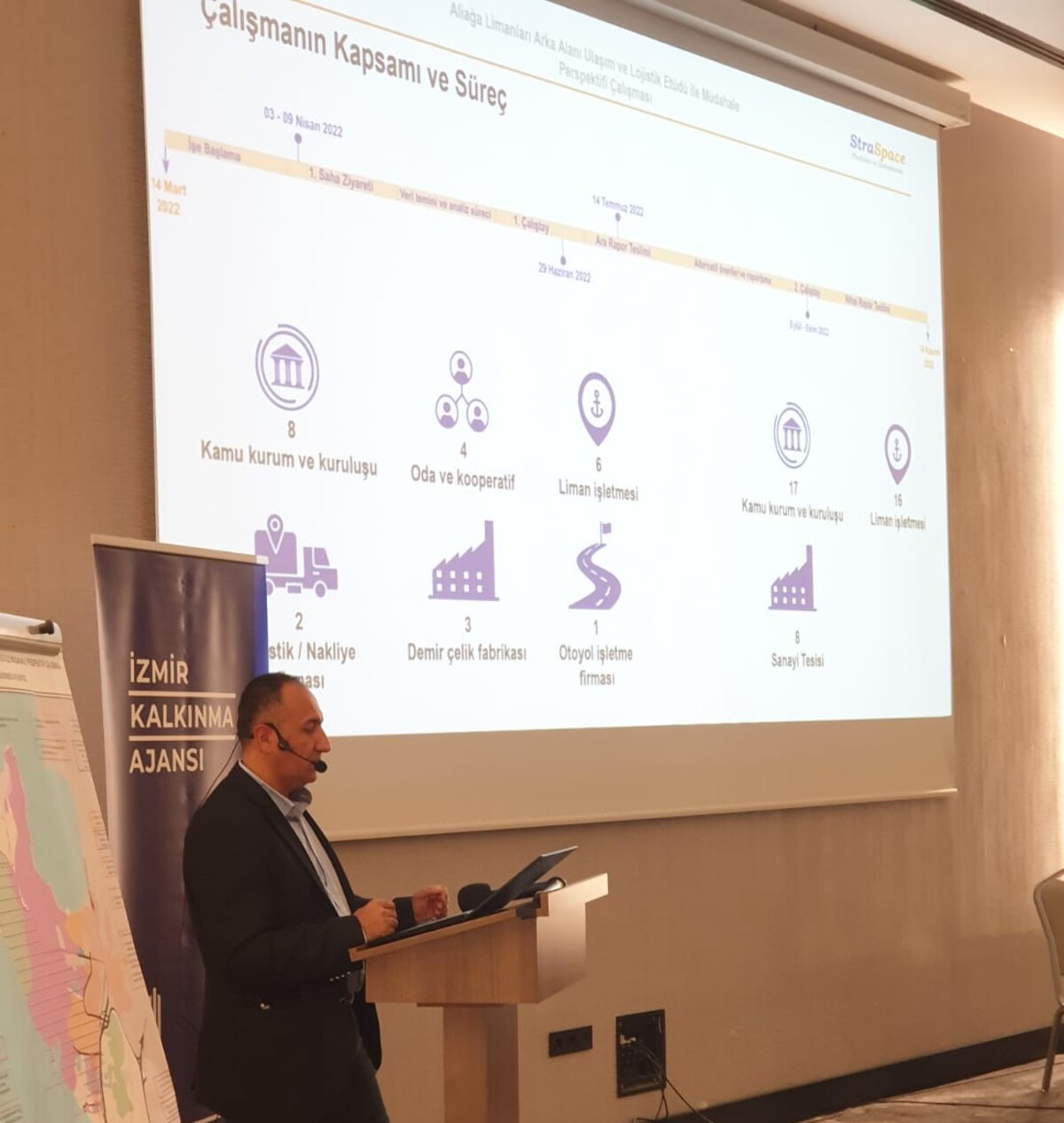
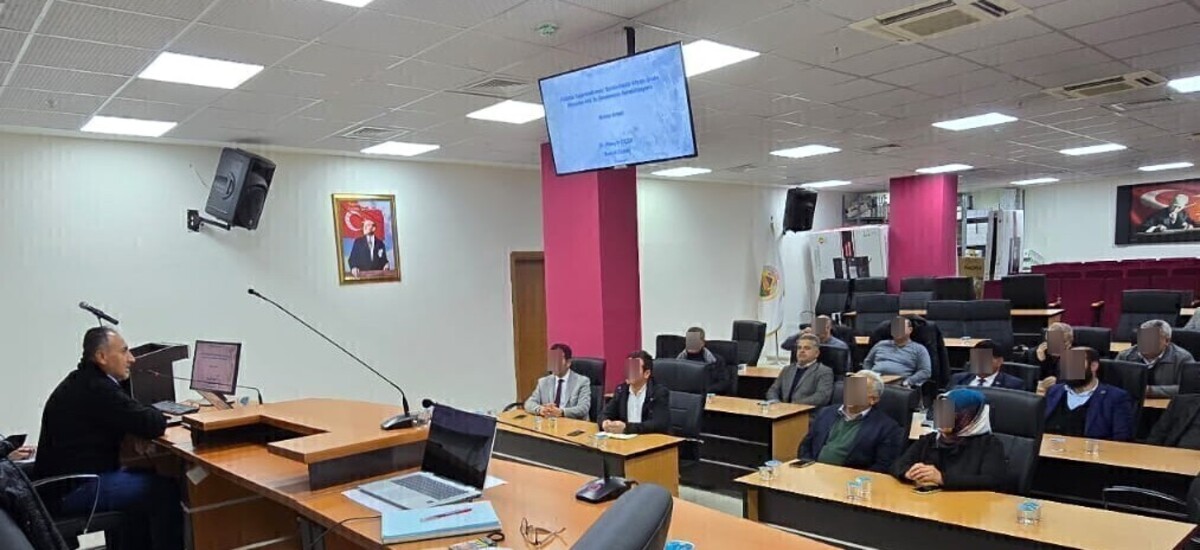
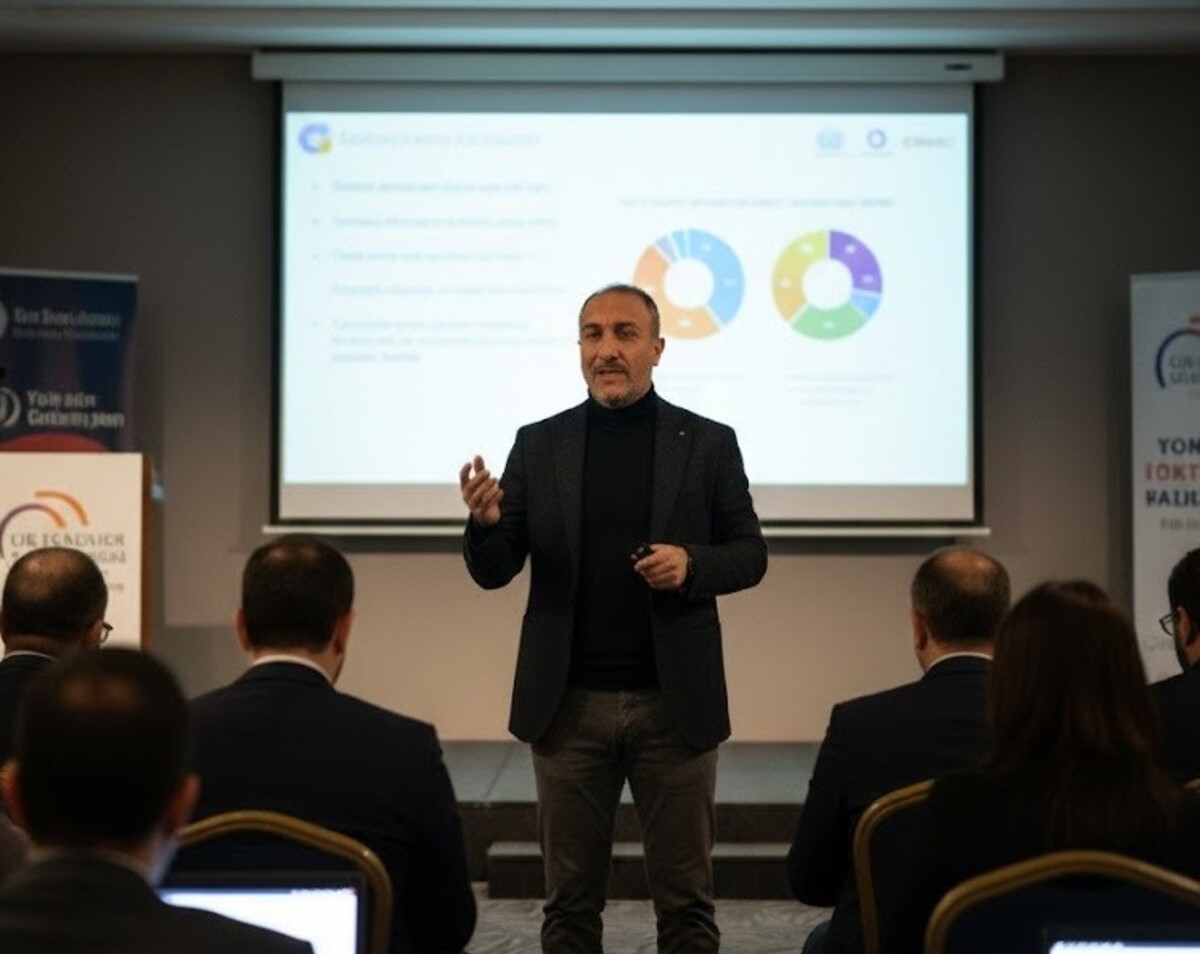
StraSpace delivers comprehensive capacity-building programs to strengthen institutional social performance management. Structured training programs are designed and implemented for institutional teams, covering social performance, sustainability, stakeholder management, and monitoring and evaluation.
StraSpace conducts its Social Impact Assessment and Management studies in full compliance with international standards, including those of the World Bank (WB), the International Finance Corporation (IFC), the European Bank for Reconstruction and Development (EBRD), the European Investment Bank (EIB), the Asian Infrastructure Investment Bank (AIIB), the Asian Development Bank (ADB), and the Equator Principles (EP).

SERVICES
CONTACT